What if your morning could start with a quiet beach walk, a great cup of coffee, and a simple rail ride to work? If you are eyeing South Oceanside, that rhythm is part of everyday life. Whether you want a home base near the water or you are evaluating an income property, you should know how the beach, coffee, and commute shape demand here. In this guide, you will learn what daily life looks like in South O and how those lifestyle perks translate into renter interest and investor appeal. Let’s dive in.
South Oceanside at a glance
South Oceanside sits along the southern coastline of the City of Oceanside, bordered by small beaches to the west and the I‑5 and Vista Way corridors inland. The neighborhood runs along historic Coast Highway and includes Buccaneer Park and the Buena Vista Lagoon area.
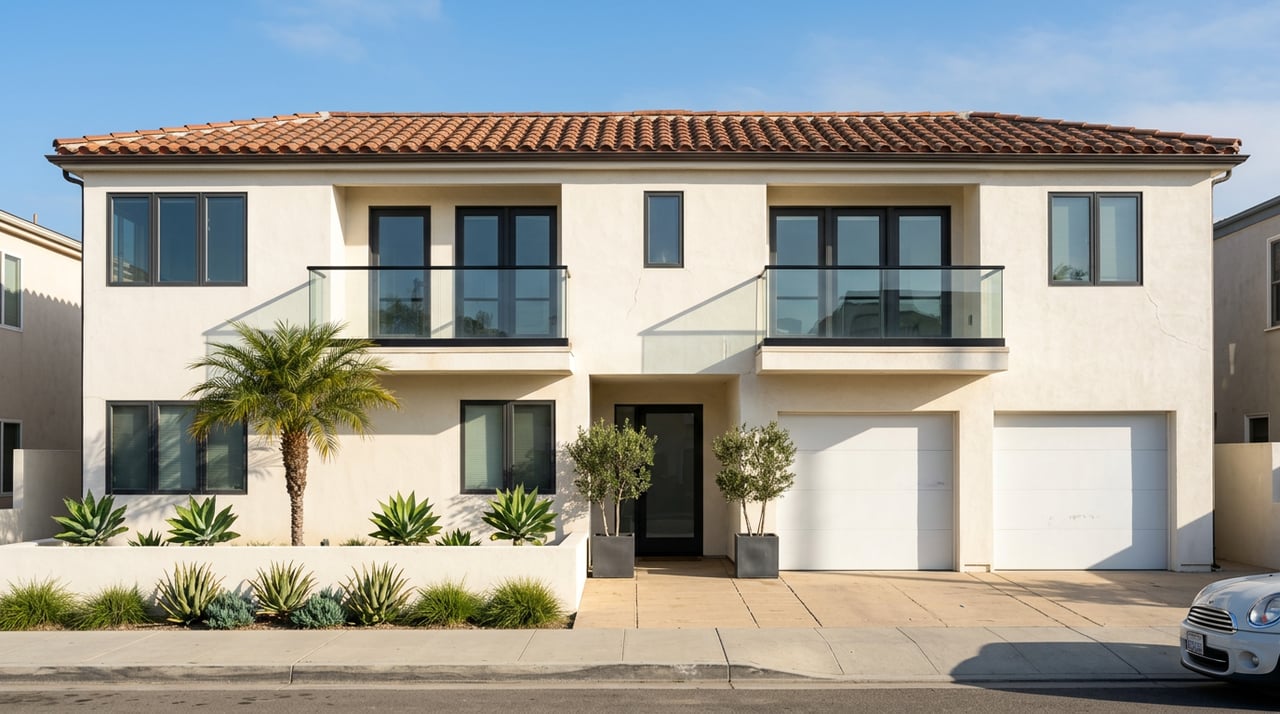
Housing is mixed. You will see postwar beach cottages, modest single‑family homes, condos and townhomes, and many remodeled properties. City data points to a balanced community of owners and renters with owner occupancy around 58.3 percent, median household income near $97,700, and a mean commute time of about 28.7 minutes (Census QuickFacts).
Beaches, park, and lagoon life
South O’s beaches are small and easy to reach, with Buccaneer Beach and Cassidy Street among the closest access points. Buccaneer Park, directly across from the beach, offers a playground, restrooms, picnic tables, and casual courts, which makes it a daily stop for many residents (City of Oceanside beach and park information).
At the neighborhood’s southern edge, the Buena Vista Lagoon brings a calmer side of coastal life. The Buena Vista Audubon Nature Center runs trails and programs that draw birders and families for short walks and weekend learning (Buena Vista Audubon Nature Center). North of South O, the Oceanside Pier area remains an icon for surf culture and community events, even as the city navigates repairs and improvements after the April 2024 fire at the far end of the pier (Oceanside beaches and pier context).
Coffee and local bites
You can keep your routine simple and local. Breakfast at Beach Break Cafe has long been a neighborhood staple. For coffee, locals mention Bound Coffee Co., Revolution Roasters, and Captain’s Grounds Coffee as easy walk‑ups along Coast Highway. Dinner options range from chef‑driven spots like Wrench & Rodent Seabasstropub to plant‑forward concepts like The Plot, plus a handful of taprooms and the Freeman Collective food and retail campus that work well for casual meetups.
Commute, transit, and getting around
Trains and regional links
The Oceanside Transit Center, a short ride north of South O, is a major hub. The NCTD COASTER provides a direct commuter rail to downtown San Diego, with schedules that place Oceanside to downtown at roughly 57 minutes on many weekday runs (Caltrans corridor overview). Amtrak’s Pacific Surfliner and the NCTD SPRINTER expand your options for regional trips and inland connections.
Driving access
You are minutes from I‑5 via Vista Way and Coast Highway. Drives to nearby job centers can be straightforward outside peak hours, with typical Southern California congestion at rush times.
Walking and biking
Blocks near South Pacific Street, Hayes, and Coast Highway often score well for walkability compared to the city overall. Many addresses in this pocket hit Very Walkable on third‑party indexes, and coastal bike routes connect to destinations like the Strand, the river trail, and planned Coastal Rail Trail segments (Walk Score example near S. Pacific and Hayes). E‑bikes and short hops along Coast Highway make quick errands easy.
Why lifestyle fuels rent demand
The everyday mix of beach access, coffee and dining, and commuter rail is a strong draw for renters and long‑stay guests. City demographics support a mixed housing profile, with owner occupancy near 58.3 percent and a mean commute of about 28.7 minutes, which fits a renter pool that values transit and flexible access to job nodes (Census QuickFacts).
For a directional market datapoint, Zillow’s city dashboard listed Oceanside’s average observed rent around 2,887 dollars in an early 2026 snapshot. Neighborhood pages also show higher median home values in South Oceanside relative to the city as a whole. Treat those figures as moving targets and verify before underwriting. The investor takeaway is simple: properties that pair walkable beach access with a functional commute tend to see stronger inquiry volume and broader tenant appeal.
Short‑term rentals: upside and rules
Oceanside’s short‑term rental market has shown solid seasonal performance. In one tracker’s November 2024 to October 2025 view, the broader market averaged about a 298 dollar ADR with roughly 71 to 72 percent occupancy, and South Oceanside trended among higher ADR micro‑areas. These are market averages, not guarantees, and they will vary by property type and distance to the water (Airbtics market snapshot).
If you plan to operate an STR, budget for compliance. The City of Oceanside requires a STR permit and a Transient Occupancy Tax registration, with 2024 ordinance updates that limit non‑hosted STRs in certain zones and set inspection and renewal rules. Review permit fees, ADU limits, and responsible‑agent requirements before you buy (City STR requirements). Oceanside’s TOT rate is 10 percent, and hosts must remit tax and follow city enforcement standards (City TOT reference and administration). Parking pressure on summer weekends is real, so confirm on‑site parking, HOA rules, and access details for guests.
Risks on the coast to budget for
Coastal properties carry exposure you should price into your plan. Sea‑level rise and shoreline change can affect beaches and infrastructure over time, and state and local agencies are advancing adaptation planning and project work across the corridor (Coastal hazards overview). The April 2024 pier fire and ongoing waterfront improvements also show how public projects can temporarily shift visitor patterns (Oceanside pier context). Pair the lifestyle premium with a sober view of insurance, maintenance, and future resilience measures.
A day in South O: your routine
Start with sunrise at Buccaneer Beach and a few minutes on the sand. Walk across to Buccaneer Park for a quick stretch on the grass, then grab coffee at Revolution Roasters or Bound Coffee Co. If you work in San Diego, catch the COASTER at the Oceanside Transit Center and use the ride to plan your day.
Back home, stroll Coast Highway for a casual dinner at neighborhood favorites like Wrench & Rodent or The Plot, or meet friends at Freeman Collective. On weekends, add a loop through the Buena Vista Lagoon trails or a bike ride along the Strand toward the pier. It is a simple routine, close to the water, with useful transit and easy local stops.
Let’s talk returns
If you want a South Oceanside property that fits your goals, align the lifestyle story with a clear operating plan. Confirm rent comps and transit proximity, verify STR eligibility if that is your strategy, and underwrite parking, taxes, and maintenance with discipline. When you are ready to buy, lease, or manage, connect with OC Investments & Management for integrated brokerage and full‑service management support. Schedule a Free Investment Consultation and get a clear path from acquisition to day‑to‑day operations.
FAQs
How long is the train commute from Oceanside to downtown San Diego?
- The NCTD COASTER typically runs about 57 minutes from Oceanside to downtown San Diego on many weekday schedules (Caltrans corridor overview).
What short‑term rental permits are required in Oceanside?
- You need a City STR permit and a Transient Occupancy Tax account, with 2024 updates that set zone limits, inspections, and renewal rules (City STR requirements).
What is Oceanside’s Transient Occupancy Tax rate?
- Oceanside’s TOT rate is 10 percent, and registered operators must remit tax and follow enforcement and reporting standards (City TOT reference).
Is South Oceanside walkable for daily errands?
- Many blocks near the beach and Coast Highway score Very Walkable, and bike routes connect to the Strand and regional paths (Walk Score example).
What does the renter and owner mix look like in Oceanside?
- Citywide, owner occupancy is about 58.3 percent, which indicates a balanced mix of owners and renters across neighborhoods (Census QuickFacts).